Blog · Skin quality
Can acne be prevented? What helps and what doesn't
Why acne appears, in adulthood too, which habits and skincare help prevent breakouts, and when to see a doctor.
 By Dr Andrea Marroquín, aesthetic physician · Licence no. 284707387
Reviewed on · 3 min read
- Acne starts in the hair follicle: excess oil, blocked pores, bacteria and inflammation.
- It cannot be avoided completely, but the right routine reduces breakouts and marks.
- Deep, painful or scarring lesions should be treated by a doctor as early as possible.
Why it appears
Acne develops in the pilosebaceous follicle through four combined factors: more oil production, blocked pores, growth of a bacterium normally found on the skin, and inflammation. Hormones, genetics, some medicines and certain cosmetics play a part.
It is not just a teenage problem: adult female acne, on the jawline and chin and linked to the hormonal cycle, is a very common reason for consultation.
What helps prevent breakouts
- Gentle cleansing twice a day, without scrubbing or using over-drying products.
- Non-comedogenic products, including make-up and sunscreen.
- Evidence-based ingredients: salicylic acid, benzoyl peroxide, azelaic acid, niacinamide and topical retinoids.
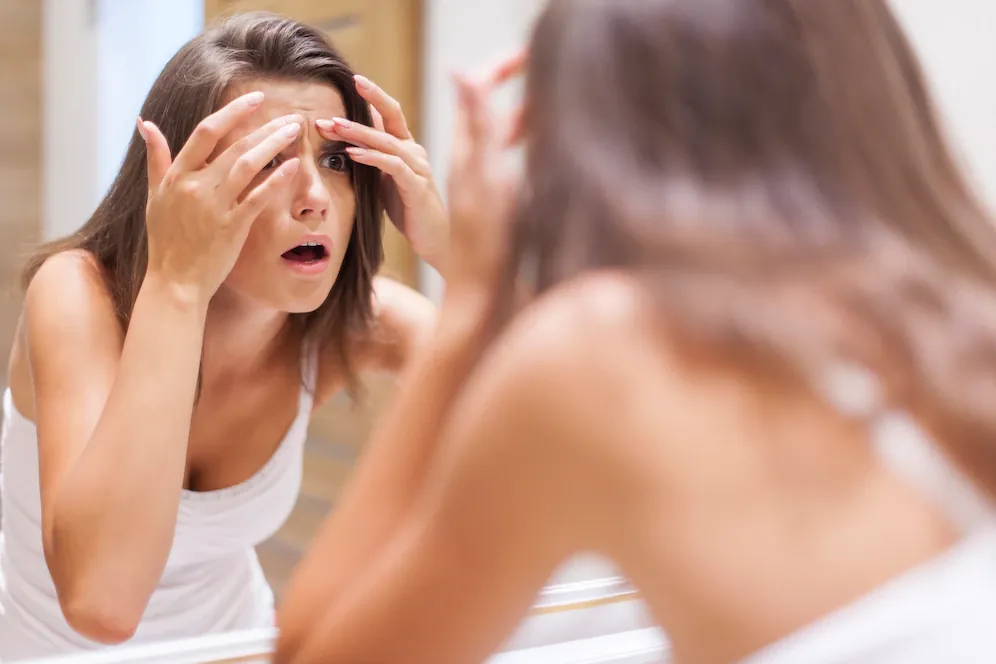
- Not picking at spots, which increases inflammation and the risk of marks and scars.
- Diet: in some people, diets high in sugar and dairy are linked to more breakouts.
When to see a doctor
When acne does not improve after a few months of proper care, there are painful nodules or cysts, it leaves marks or scars, or it affects how you feel. Moderate or severe cases need medical treatment, often together with dermatology.
In the clinic
Chemical peels and some technologies, such as pulsed light, help control breakouts and improve the marks they leave. Once acne is under control, any scarring is treated with specific techniques.
General information only: it does not replace a medical consultation. Every case needs an individual assessment.